Pearls in Pathology

American Osteopathic College of Pathologists

April 17-19, 2026

Midwestern University – Chicago College of Osteopathic Medicine

Downers Grove, IL

Building: Cardinal Hall

Room: Card D

Conference Schedule

Friday April 17, 2026 5 CME

11:45am-12:00pm

Registration and Sign in


12:00pm-12:15

Conference Welcome and Opening


John Kasimos, DO
Immediate Past President

12:15pm – 1:15pm

Paleopathology: Lessons From the Past


1 CME

John Kasimos, DO

1:15pm – 2:15pm

Melanoma: Putting Metastatic Stealth Back on the Therapeutic Radar.

1 CME

Luigi Strizzi, M.D., Ph.D.

2:15pm- 2:30pm

Break


Break

Break

2:30pm – 3:30pm

Autopsy101


1 CME

Randall McGivney, DO

3:30pm – 4:30pm

Pathology of Skin Disease


1 CME

Steven Gustafson, DO

4:30pm – 5:30pm

Overview of Pancreatic Ductal Adenocarcinoma

1 CME

Aaron Huber, DO

Saturday April 18, 2026 9 CME

8:00am – 9:00am

Cystic Lesions of the Pancreas


1 CME

Diana Agostini-Vulaj, DO

9:00am – 10:00am

Overview of Forensic Pearls – The basic steps in an autopsy. Part 1 & 2

1 CME

Randall McGivney, DO

10:00am – 10:15am

Break


Break

Break

10:15am – 11:15am

Brain Autopsy


1 CME

Randall McGivney, DO

11:15am – 12:15pm

Lunch / Student Presentations


1 CME


12:15pm – 1:15pm

Interesting Cases in GI Pathology 2026


1 CME

Laura Michael, DO

1:15pm – 2:15pm

Neuroendocrine Neoplasms of the GI tract

1 CME

Roula Katerji, MD

2:15pm – 2:30pm

Break


Break

Break

2:30pm – 3:30pm

Autopsy Education/Quality Improvement

1 CME

Phil McMullen, MD, PHD

3:30pm – 4:30pm

AI in Medical Education: Student and Faculty Perspective

1 CME

Chaya Prasad, MD

4:30pm-5:30pm

Applications of Bioethics in Pathology and Laboratory Medicine

1 CME

John Kasimos, DO

Our Speakers

Dr. Steven A. Gustafson is board certified in Clinical Pathology and Hematopathology.

In 1996, Dr. Gustafson earned his Doctor of Osteopathic Medicine degree from Des Moines University College of Osteopathic Medicine. He then went on to complete his residency in Anatomic Pathology and Clinical Pathology at University of Missouri, Kansas City School of Medicine, followed by a numerous fellowships in Hematopathology, Surgical Pathology, Chemical Pathology, and Pediatric Pathology.  He has lectures and conducted research on national and international levels, as well as authored and co-authored multiple peer-review publications.  He is a reviewer for the Journal of Histotechnology.  He currently serves on the faculty of Kansas College of Osteopathic Medicine.  In his spare time, he volunteers for USA boxing as a ringside physician.

In the past 24 months, the speaker reports no financial relationships with any ineligible companies.

Dr. Randall K McGivney DO, MBA is a 1980 graduate of Oklahoma State University with BS degree in Physiology.  He received his DO degree in 1983 from Oklahoma State University College of Osteopathic Medicine and Surgery (the last of the 3-year medical programs).  Dr. McGivney did a transitional internship in 1983 at William Beaumont Army Medical Center in El Paso Texas followed by a residency in an Anatomic and Clinical Pathology from 1984 – 1988. 

Dr. McGivney served in the US Army as teaching chief at WBAMC and worked at Medical Arts Lab in Oklahoma City before joining Mac Neal Hospital in the fall of 1991. He helped build Genesis Clinical Laboratory which Tenet Health sold to Lab Corp in 2015. 

In 2011 he created Illinois Pathology Associates in which currently employs 8 pathologists and serves 3 suburban hospitals in Chicago.  Dr. McGivney is board certified in Anatomic and Clinical Pathology from the American Board of Pathology and holds a Masters of Business Administration from the Booth School of Business at the University of Chicago.  Dr. McGivney serves as Chair of the Department of Pathology & Laboratory Sciences for West Suburban Medical Center.  Dr. McGivney has served as an adjunct professor at Midwestern University in the Department of Pathology and he does private autopsies for Chicago Area Autopsy Services. 

In the past 24 months, the speaker reports no financial relationships with any ineligible companies.
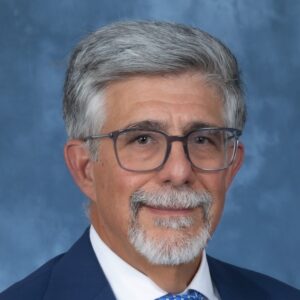
John N. Kasimos, D.O., is board-certified in anatomic pathology, clinical pathology and family medicine. He completed his residency training in all three areas at Midwestern University – Chicago College of Osteopathic Medicine. He earned his B.S. in Biology at Loyola University of Chicago and subsequently received his M.S. in Biology with specialization in Microbiology from the Illinois Institute of Technology. He also holds a M.S. in Health Care Ethics from Creighton University. He received his D.O. degree from Midwestern University, Chicago College of Osteopathic Medicine. Dr. Kasimos has 34 years of experience as an Anatomic and Clinical Pathologist. He served as laboratory medical director at Franciscan Health-Olympia Fields for twelve years. He has served on numerous hospital committees, including the Medical Executive Committee and has also served on the Pathology Council for PCL Alverno Laboratories.  Dr. Kasimos retired from clinical practice in 2023 but continues to serve as Professor and Chair of the Department of Pathology, Midwestern University where he is extensively involved in the education and training of osteopathic medical students. He has received numerous recognitions as a medical educator, including the George W. Northup Educator of the Year Award from the National SOMA Foundation.


In the past 24 months, the speaker reports no financial relationships with any ineligible companies.

companies.

Dr. Prasad hails from Bangalore, India where she completed her medical school. She then went on to complete her pathology residency at OHSU, Portland Oregon and a 2-year fellowship in Ob/Gyn pathology at Harvard Medical School. At Harvard she was the recipient of several American Cancer Society and NIH research awards. In 1995, she went onto receive the prestigious National Physician Scientist award from NIH, an award that is given to few select physicians a year. She then continued to work at Kaiser Permanente for over 2 decades where she wore many administrative hats. Dr. Prasad joined Western University in 2016, where she is an associate professor and chair of the Clinical Sciences Dept.

In the past 24 months, the speaker reports no financial relationships with any ineligible companies.

Dr. Laura Michael is currently Medical Director of Vizia Diagnostics, formerly Boston Scientific Pathology since November 2022. She has been an AOCP board member since 2004, and past president 2008-2010, and 2014-2015, 2020-2021. She presents at many AOCP conferences, speaking on GI Pathology. She is a GI Pathologists who trained at the University of Florida and the first fellow of Dr. Gregory Lauwers, who is now at Moffitt Cancer Centre, after many years at Massachusetts General and Harvard University.

After residency, Dr. Michael spent over five years at Citrus Memorial Hospital as a staff pathologists before accepting the Medical Directorship of Gastrocor, Florida position at Bostwick Laboratories. Ten years later, she moved to Alpharetta Georgia to a GI Pathology laboratory, Endochoice, which became Boston Scientific a few years later. She is a fellow of the College of American Pathologists, Gastrointestinal Pathology Society member and Board certified American Osteopathic Board of Pathology and American Board of Pathology

Aaron Huber, DO is a surgical pathologist who specializes in gastrointestinal, liver, pancreaticobiliary, bone, and soft tissue pathology.

He is Board Certified in Anatomic Pathology and Clinical Pathology – American Board of Pathology

He received his DO degree in 2004 from Univ. of Health Sciences-College of Osteopathic Medicine

He completed his Residency in Pathology at Naval Medical Center San Diego07/20/2005 – 07/19/2009

His Post-doctoral Training & Residency training was completed 07/01/2013 – 06/30/2014 with a

Fellowship in Gastrointestinal & Hepatobiliary Pathology at University of Rochester Medical Center.

In the past 24 months, the speaker reports a financial relationship with Astellas Pharmaceuticals as a speaker.  The Relationship has ended.

Enhance user experience with Advanced Tabs, allowing seamless content navigation. Organize information efficiently while keeping the interface clean and interactive. Perfect for FAQs, product details, or multi-section content.
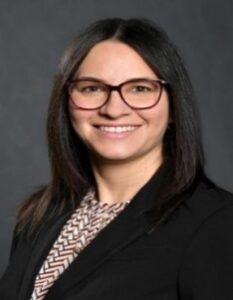
Diana Agostini-Vulaj, DO
Associate Professor – Department of Pathology and Laboratory Medicine (SMD)


Dr. Agostini-Vulaj completed her medical school training at the Chicago College of Osteopathic Medicine, Midwestern University. She is currently an associate professor in the Department of Pathology at the University of Rochester Medical Center where she completed her anatomic and clinical pathology residency along with her fellowship in gastrointestinal and hepatobiliary pathology. She has published over 30 peer-reviewed articles in the field, contributed to many book chapters, as well as given lectures nationally. She is an active member of the College of American Pathologists, United States and Canadian Academy of Pathology, Rodger C. Haggitt Gastrointestinal Pathology Society, and the Pancreatobiliary Pathology Society. She currently serves on national committees, including the College of American Pathologists Graduate Medical Education Committee and the Pancreatobiliary Pathology Society Education Committee, previously serving as the Membership/Website Committee Chair. In addition, she currently serves on the United States and Canadian Academy of Pathology Abstract Review Board. 
In the past 24 months, the speaker reports no financial relationships with any ineligible companies.

Enhance user experience with Advanced Tabs, allowing seamless content navigation. Organize information efficiently while keeping the interface clean and interactive. Perfect for FAQs, product details, or multi-section content.
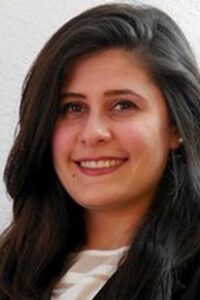
Roula Katerji, MD

Assistant Professor – Department of Pathology and Laboratory Medicine (SMD)
Director, Gastrointestinal/Hepatobiliary Pathology Fellowship

University of Rochester Medical Center

Residency & Fellowship

Fellowship, Pathology – Gastrointestinal, University of Rochester Medical Center. 2020 – 2021

Residency, Pathology, Anatomic Pathology & Clinical Pathology, University of Rochester Medical Center. 2017 – 2020

Internship, Pathology, Anatomic Pathology & Clinical Pathology, University of Rochester Medical Center. 2016 – 2017

Education

MD | University of Aleppo (Syria). 2014

In the past 24 months, the speaker reports no financial relationships with any ineligible companies.
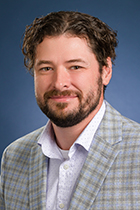
Phil McMullen, MD, PHD

EDUCATION

Medical Scientist Training Program (MSTP/MD, PhD)         

University of Illinois at Chicago, Chicago, IL

  • PhD Dissertation: Forces contributing to strain-specific tissue tropism among clinical

isolates of Listeria monocytogenes. Successfully Defended Thesis on 06/11/2014


Bachelor of Arts in Microbiology, Summa cum Laude

Miami University, Oxford, OH

  • Senior Research Capstone: 2D-PAGE analysis of proteins induced by toxic silver exposure in Pseudomonas aeruginosa


POST-DOCTORAL TRAINING

Fellow, Thoracic and Surgical Pathology                                                                     

University of Chicago Medical Center


Anatomic and Clinical Pathology Residency                                                                        

University of Chicago Medical Center


LICENSURE AND CERTIFICATION

Licensed Physician and Surgeon (State of Illinois; State of New York)                       

Board Certification in Anatomic and Clinical Pathology (American Board of Pathology)


ACADEMIC APPOINTMENTS

Associate Professor, Department of Pathology                                                           

Loyola University Medical Center
 

In the past 24 months, the speaker reports no financial relationships with any ineligible companies.
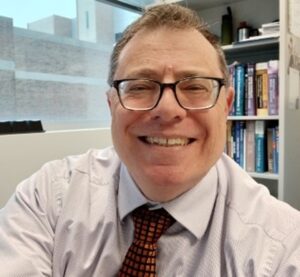
Luigi Strizzi, M.D., Ph.D. is a Professor of Pathology at Midwestern University in Downers

Grove, IL where he teaches systemic human pathology to students enrolled in the

Osteopathic Medicine, Dental Medicine and Optometry Programs. Dr. Strizzi received his

from D’Annunzio University, Chieti-Pescara, Italy. Dr. Strizzi is a member of numerous

scientific organizations including the American Society for Investigative Pathology,

American Society of Clinical Pathology, American Association for Cancer Research and

European Society of Pathology. With over 30 years combined experience in academia and

research, Dr. Strizzi has accumulated over 100 scientific publications in areas that include

pleural mesothelioma and lung cancer, breast cancer and melanoma. His current research

focuses on the effects of the metastatic microenvironment on melanoma growth.

University: Doctor of Medicine1,2, April 1994, “Gabriele D’Annunzio” University, Faculty of Medicine, Chieti-Pescara, Italy.

Residency: Clinical Pathology1,2, November 1999, “Gabriele D’Annunzio” University, Faculty of

Medicine, Chieti-Pescara, Italy.

Graduate Studies: Ph.D. in Oncology/Cancer Biology1, March 2004, “Gabriele D’Annunzio” University, Faculty of Medicine, Chieti-Pescara, Italy.

1Academic credentials designated as U.S. equivalents by the ‘United States World Education Service’.2Licensed and Board Certified in Italy (EU)..

In the past 24 months, the speaker reports no financial relationships with any ineligible companies.

This will provide the learner with the fundamentals of epidemiology, molecular mechanisms, and morphology of pancreatic cancer.


Objectives:

  1. Become familiar with the epidemiology and prognosis of pancreatic cancer
  2. Become familiar with the gross and microscopic features of pancreatic cancer
  3. Become familiar with the molecular pathways that lead to the development of pancreatic cancer


Needs:

  1. New advances in pathologic analysis
  2. New methods of diagnosis or treatment
  3. Advances in medical knowledge

References:

Luchini C, et al. Pancreatic ductal adenocarcinoma and its variants. Surg Pathol Clin. 2016;9:547-560.


Collisson EA, et al. Molecular subtypes of pancreatic cancer. Nature Reviews: Gastroenterology and Hepatology. 2019;16;207-220.


Wood LD, et al. Pancreatic cancer: pathogenesis, screening, diagnosis, and treatment. Gastroenterology. 2022;163:386-402.


Competencies: 2,3,6

This lecture will provide members greater understanding of how the field of paleopathology influences our beliefs of modern day diseases and provides greater understanding of those conditions.


Objectives:

  1. Understand the ways paleopathology studies diseases of antiquity.
  2. Understand how the study of ancient diseases influences our understanding of those diseases in modern times.
  3. Appreciate how comparisons between ancient ailments and modern disease can contribute to improved treatment modalities.


Needs:

  1. New advances in pathologic analysis
  2. New methods of diagnosis or treatment
  3. Development of new technology
  4. Advances in medical knowledge
  5. Legislative, regulatory, or organizational changes affecting patient care


References:

Grauer AL. A century of paleopathology. Am J Phys Anthropol. 2018;165:904–914. https://doi.org/10.1002/ajpa.23366


Cardouzo, A.C.L.P. et al. Frequency of tuberculosis: Associated genomic variants in ancient Native Americans, Int J Paleopath,2026; 52:128-134. https://doi.org/10.1016/j.ijpp.2026.01.006.


Core Competencies: 1,2,3,4,5,6,7

This lecture will provide members greater understanding of how the field of ethics can be applied to the field of Pathology and Laboratory Medicine and how our ethics define us as professionals.


Objectives:

  1. Define ethics and understand how they guide personal and professional decisions and actions.
  2. Understand how our ethics define us as medical laboratory professionals.
  3. Describe common ethical dilemmas that may arise in the practice of laboratory medicine and examine their associated implications.


Needs:

  1. New advances in pathologic analysis
  2. New methods of diagnosis or treatment
  3. Development of new technology
  4. Advances in medical knowledge
  5. Legislative, regulatory, or organizational changes affecting patient care


References:

Cocks, M. Ethical Considerations in Pathology. AMA Journal of Ethics, 18:8 (2016), 761-763.

Granowski, AM, Budelier, M M, Campbell, SM. Ethics for Laboratory Medicine. Clinical Chemistry, 65:12 (2019), 1497-1507


Core Competencies: 1,2,3,4,5,6,7

Objectives:

  1. Basic Review of Pearls for Benign and Forensic Neurodegenerative Disease in the Brian
  2. Pitfalls of autopsy

Needs:

  1. New advances in pathologic analysis
  2. New methods of diagnosis or treatment
  3. Advances in medical knowledge

References:

CAP Autopsy protocol
Dr. Kim A. Collins, Text on Forensic Pathology

Core Competencies: 2,3,4,5,6,7

Objectives:

  1. Basic Review of Pearls for Benign and Forensic Neurodegenerative Disease in the Brian
  2. Pitfalls of autopsy

Needs:

  1. New advances in pathologic analysis
  2. New methods of diagnosis or treatment
  3. Advances in medical knowledge

References:

CAP Autopsy protocol
Dr. Kim A. Collins, Text on Forensic Pathology


Core Competencies: 2,3,4,5,6,7

Objectives:

  1. Basic Review of Pearls for Benign and Forensic Neurodegenerative Disease in the Brian
  2. Pitfalls of autopsy


Needs:

  1. New advances in pathologic analysis
  2. New methods of diagnosis or treatment
  3. Advances in medical knowledge

References:

CAP Autopsy protocol
Dr. Kim A. Collins, Text on Forensic Pathology

Core Competencies: 2,3,4,5,6,7

A review and update of some interesting skin lesions as well as a review of pertinent literature.


Objectives:

  1. Increase knowledge of skin diseases
  2. Review of current diagnostic criteria and terminology


Needs: Advances in Medical Knowledge

References:  In Progress

Core Competencies: 2,3

Objectives:

  1. Artificial intelligence (AI) is increasingly shaping medical education through adaptive learning systems, simulations, and large language models. These tools can enhance knowledge retention, clinical reasoning, and feedback, while raising concerns related to equity, bias, and institutional readiness.


Needs:

  1. Advances in Medical Knowledge
  2. Development of new technology


References:

AI2025, 6(12), 322;https://doi.org/10.3390/ai6120322

Artificial Intelligence Use in Medical Education: Best Practices and Future Directions – PMC


Core Competencies: 2,4,5,6

This lecture will Increase knowledge of GI pathology, Differential diagnosis, stains to order, what treatment options, etc.


Objectives:

  1. Gain, review or enhance knowledge of GI pathology
  2. When / what stains to order
  3. What the findings mean to the patient- treatment options


Needs:

  1. Advances in medical knowledge
  2. New advances in pathologic analysis


References:

Gastic Leiomyosarcoma: A Case Report and Literature Review , Cureus. 2025 Oct8; 17 (10): e94111.doi: 10.7759/cureus.94111.


Clin Adv Hematol Oncol 2021 sep19)9)582-593.


Small cell rectal cancer: a therapeutic challenge, BMJ Case Rep, 2021 Oct 8;14 (10:e244108.doi


Core Competencies: 2,3,4,6,7

This lecture will help the learner to recognize and appropriately diagnose pancreatic cystic lesions.


Objectives:

  1. List the differential diagnosis of pancreatic cystic/intraductal lesions.
  2. Recognize and appropriately diagnose pancreatic cystic/intraductal lesions histologically.
  3. Discuss important grossing considerations of pancreatic cystic/intraductal lesions.


Needs:

  1. New Advances in pathologic analysis


References:

Basturk O, Hong SM. Wood LD, Adsay NV, Albores-Saavedra J, Biankin AV, Brosens LA, Fukushima N, Goggins M, Kato Y.  A revised classification system and recommendations from the Baltimore consensus meeting for neoplastic precursor lesions in the pancreas. The American Journal of Surgical Pathology 2015 Dec 1, 39(12): 1730-41


Vyas M, Hechtman JF, Zhang Y, Benayed R. Yavas A, Askan G, Shia J Klimstra DS, Basturk O. DNAJB1-PRKACA fusions occur in oncocytic pancreatic and biliary neoplasims and are not specific for fibrolamellar hepatocellular carcinoma.  Modern Pathology 2020 Apr 1; 33 (4) 648-56


Core Competencies:,2,3

This lecture will review the main aspects of epidemiology, pathogenesis, pathology and therapeutic approaches to cutaneous melanoma.


Objectives:

  1. Review current epidemiology and pathogenesis of cutaneous melanoma
  2. Review biology of precursor lesions and classifications
  3. Review the major histopathological features and classifications of cutaneous melanoma

Needs:

  1. Advances in medical knowledge


References:

  1. Drugs approved for Melanoma.

 https://www.cancer.gov/about-cancer/treatment/drugs/melanoma

  1. Caraviello, C, et.al. Melanoma Skin Cancer: A Comprehensive Review of Current Knowledge. Cancers 2025, 17, 2920. https://doi.org/10.3390/cancers17172920


Core Competencies: 2,3,4,5,6,7

This lecture highlights common issues with delivering quality in the setting of autopsy and proposes solutions.


Objectives:

  1. Understand the recent trends is autopsy performance, teaching and quality.
  2. Identify challenges and deficiencies in an autopsy service.
  3. Develop strategies to overcome deficiencies and improve quality.


Needs:

  1. Legislative, regulatory, or organizational changes affecting patient care


References:

Scherpelz et al. Acad. Pathol. 2025 Jan 13;12(1): 100156

Perkins et al. Critical Care. 2003;7(6): R129-132


Core Competencies: 3,4,5,6

Attendees will benefit from this lecture by improving their understanding of

the classification, diagnosis, and grading of gastrointestinal neuroendocrine neoplasms, which are increasingly encountered in clinical practice.


Objectives:

  1. Review the classification of gastrointestinal neuroendocrine neoplasms.
  2. Identify key histologic and immunohistochemical features used in diagnosis.
  3. Understand grading and its clinical significance in patient management.

Needs:

  1. New advances in pathologic analysis
  2. New methods of diagnosis or treatment
  3. Advances in medical knowledge


References: Bellizzi AM. Immunohistochemistry in the diagnosis and classification of neuroendocrine neoplasms: what can brown do for you? Hum Pathol. 2020 Feb;96:8-33. doi: 10.1016/j.humpath.2019.12.002. Epub 2019 Dec 17. PMID: 31857137; PMCID: PMC7177196.


Tang LH, Basturk O, Sue JJ, Klimstra DS. A Practical Approach to the Classification of WHO Grade 3 (G3) Well-differentiated Neuroendocrine Tumor (WD-NET) and Poorly Differentiated Neuroendocrine Carcinoma (PD-NEC) of the Pancreas. Am J Surg Pathol. 2016 Sep;40(9):1192-202. doi: 10.1097/PAS.0000000000000662. PMID: 27259015; PMCID: PMC4988129

Core Competencies: 2,3,6

Objectives:

  1. Speakers will share the latest trends in the field of Pathology.
  2. Attendees will benefit by obtaining the latest information from Pathology instruction.


Needs:

  1. Advances in medical knowledge
  2. New advances in pathologic analysis


References: In progress


Core Competencies: 2,3,6